
The short answer.
- White label: the manufacturer's existing design, sold under your name. Other buyers can order the same piece.
- Private label: a design developed to your brief and produced only for you. It does not go to another buyer and it does not enter the manufacturer's own range.
- White label buys speed. Private label buys ownership.
- Most brands start with white label to test the category, then move to private label once a shape sells.
- Minimum order quantity in precious metal is normally quoted in grams, not units, because metal is bought and cast by weight.
If you are sourcing jewellery for the first time you will hear both terms inside the first ten minutes of a conversation, often from the same person, often meaning the same thing. They do not mean the same thing, and the difference decides who owns the shape you end up selling.
White label, precisely
White label means you buy a design the manufacturer already makes, and you sell it under your own brand. Your mark goes on the stamp, your box, your tags, your certificate. Nothing about the piece is exclusive to you: the manufacturer keeps the design in their range and can supply the same shape to another buyer, sometimes in the same market.
The advantages are real and worth naming. There is no design cost, because the drawings exist. There is no model-making cost, because the tooling exists. Lead times are shorter, because the first physical step is casting rather than CAD. And the risk is small enough that you can put three shapes in front of your audience and let them tell you which one to commit to.
The disadvantage is one sentence long: you do not own it. If the category works, it works for whoever else is buying the same mould.
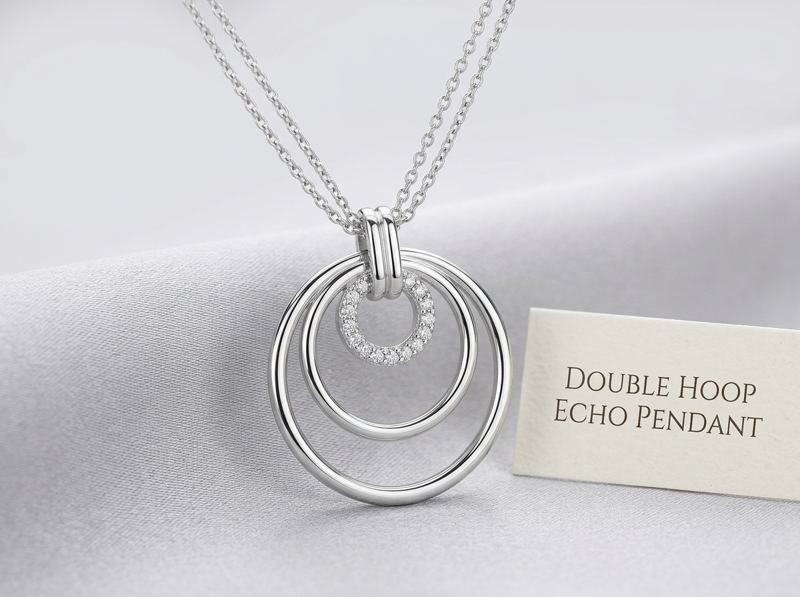
Private label, precisely
Private label means the manufacturer develops a design to your brief and produces it exclusively for you. You send a sketch, a CAD file, a photograph, a mood reference or a written description. They return a CAD render with the metal weight and finish specification, you approve it, they cut a sample, you approve that, and only then does bulk production start.
At the end of it you have an asset. The shape is yours, it does not appear in the manufacturer's catalogue, and your competitor cannot order it. That exclusivity is the entire premium you are paying for, which is why the contractual side of it deserves more attention than most first-time buyers give it.
The comparison, line by line
| White label | Private label | |
|---|---|---|
| Design origin | Manufacturer's existing range | Your brief |
| Exclusivity | None. Others can buy the same shape | Exclusive to you |
| Design ownership | Manufacturer's, licensed to you for resale | Yours |
| Up-front cost | Metal, making and finishing only | Adds CAD, model making and sampling |
| Time to first delivery | Shorter, tooling already exists | Longer, the first run creates the tooling |
| Best for | Testing a category, filling a gap fast | Building a signature the market recognises |
| Risk if it fails | Low. You bought stock, not development | Higher. Development is already spent |
| Value if it works | Repeatable, but not defensible | Defensible, and it compounds |
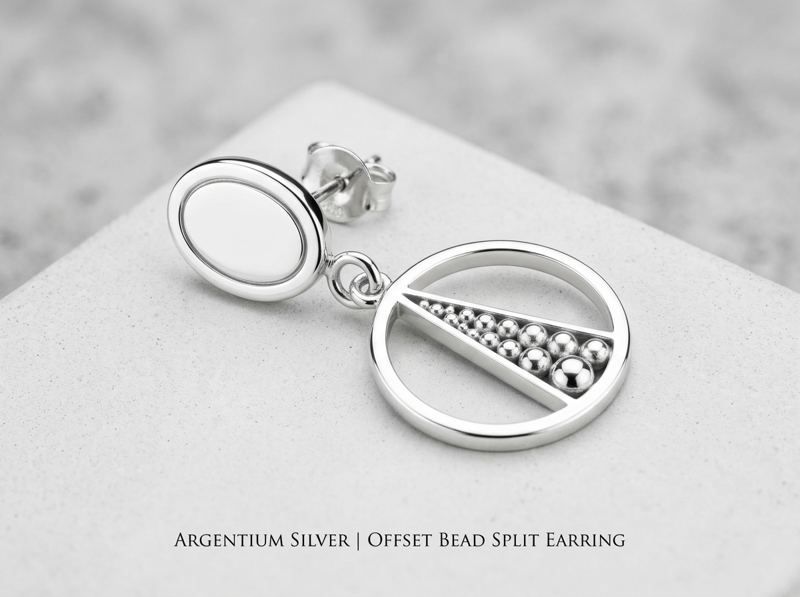
Get design ownership in writing, before the CAD
This is the part that costs people money, and it costs them money quietly, eighteen months later, when a shape they developed turns up on a competitor's site.
Before any drawing starts, agree three things in writing:
- Who owns the design. It should be you, on commission, from the moment the CAD is approved.
- What the manufacturer will not do with it. Not resell it, not add it to their own range, not use it in their marketing or trade show display without your permission.
- What happens to the tooling. Who holds the moulds, and what happens to them if you stop ordering.
A manufacturer who resists putting this in writing is telling you something useful about how they intend to behave. A manufacturer who offers it before you ask is telling you something more useful still.
Why minimum order quantity is quoted in grams
New buyers usually expect a minimum expressed in units, and are surprised to be quoted a weight instead. There is a straightforward reason: precious metal is bought by weight, alloyed by weight, cast by weight and priced by weight. Units are the last thing that happens, not the first.
A weight-based minimum is also better for the buyer, which is the part that gets missed. If a manufacturer asks for 200 pieces, that is 200 pieces of one design, and you are carrying all the risk on a single shape. If they ask for 300 grams, you can spread it across eight designs and find out which one sells.
Converting grams to pieces.
- A daily-wear pendant runs roughly 3 to 6 grams.
- A ring runs roughly 3 to 5 grams.
- A pair of earrings runs roughly 4 to 8 grams.
- So a 300 gram minimum is roughly 50 to 90 pieces across a mixed range, and considerably more if the pieces are fine.
Heavier pieces, chain work and stone-set designs move those numbers. Any manufacturer worth ordering from will give you an exact piece count against your actual designs, not a rule of thumb.
How a quote is actually built
Whichever route you take, the price breaks into the same four parts. Ask any supplier to itemise them, and be careful with any who will not.
- Metal. The finished weight of the piece multiplied by the metal rate on the day. Silver moves daily, so a real quote carries a validity window rather than a fixed forever price.
- Making. The labour in casting, filing, setting and polishing that specific design. Complexity moves this number, not size.
- Stones. Where the design carries them.
- Finishing. Hallmark, packaging, tags, certificate insert.
An itemised quote lets you see exactly what changes when you change the specification. A single lump-sum price does not, and that opacity is rarely accidental.
The metal question sits underneath both routes
Private label and white label are commercial structures. Neither one improves the metal, and the metal is what your customer actually lives with.
Most silver jewellery is sterling, which is 92.5 per cent silver alloyed with copper. Copper is what reacts with air and turns a bright piece grey within months, which is why so much sterling is rhodium plated: to delay an outcome rather than remove it. When the plating wears through, the complaint arrives at your counter rather than the factory's.
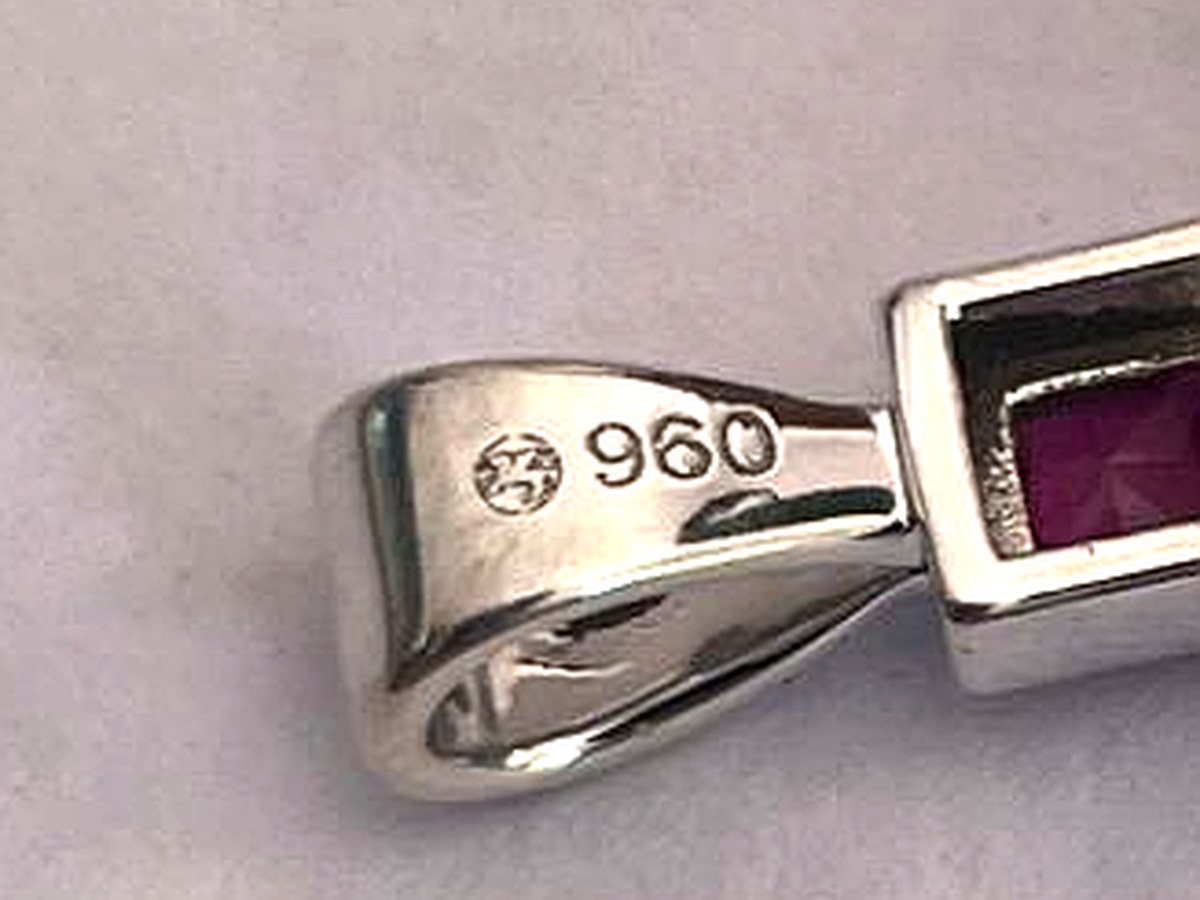
Argentium replaces that copper with germanium, which forms a clear, self-regenerating protective layer instead of a tarnish film. It needs no plating, so there is no coating to wear through. It is nickel free. And Argentium 960 is 96 per cent fine silver, above the Britannia standard.
If you are going to the trouble of building a private label range, it is worth asking what you are building it out of.
A practical sequence
- Start white label. Take three or four existing shapes, put your mark on them, and let your audience vote with money.
- Watch which shape repeats. Not which one sells once. Which one gets reordered and reviewed.
- Develop that one as private label. Now you know where the demand is, and the development spend is aimed rather than hopeful.
- Build the range outward from it. Same weight language, same finish, same stone specification, so the set reads as a family.
Most brands that end up with a recognisable silver line got there in roughly that order. Very few got there by commissioning twelve exclusive designs before selling one.