
The short answer.
- A permanent bracelet is welded on and never removed. It goes through showers, workouts, sweat and sleep.
- Sterling is 92.5 per cent silver and 7.5 per cent copper, and copper is what reacts with all of that.
- The trade's current answer is to manage the complaint, not change the metal.
- Argentium fuses to itself, which is the same principle the welder uses. It needs no plating and contains no nickel.
- On a short length of fine chain, the cost difference per bracelet is small.
Permanent jewellery has gone from a trend to a category. The demi-fine market it sits in was worth about 2.8 billion dollars in 2025 and is forecast at 6.4 billion by 2033. A welded sterling silver bracelet retails at 58 to 128 dollars in the United States. Studios are opening everywhere, and almost all of them buy the same two things: gold filled chain and sterling silver chain.
The sterling half of that has a problem nobody in the supply chain wants to name.
In this guide
What the job actually is
Think about what you are asking the metal to do.
A customer sits down, you measure the chain to their wrist, you weld it shut, and it stays there. No clasp. They shower in it. They swim in it. They sleep in it. They put hand cream on, wash up, go to the gym, and never take it off, because taking it off is the one thing the product is designed to prevent.
Now remember what tarnish is. Sterling silver is 92.5 per cent silver alloyed with copper. Copper reacts with oxygen and with sulphur compounds. Sweat contains them. So do soap, shampoo, lotion, chlorine and rubber.
2025
by 2033
permanent bracelet
The rest is copper
Ordinary silver jewellery gets a break from all of this. It comes off at night, it gets cleaned, and wear against fabric polishes it a little. A welded bracelet gets none of that, and it cannot be polished properly while it is on a wrist.
So permanent jewellery takes the one alloy whose weakness is continuous skin contact and moisture, and exposes it to continuous skin contact and moisture with no way to clean it.
What the trade currently offers
Look at what the established chain suppliers actually recommend.
| Option | Why studios pick it | The catch |
|---|---|---|
| 14K or 18K solid gold | Does not tarnish. The genuine answer | Retails at 168 to 388 dollars. Prices out most customers |
| Gold filled | Gold surface at a fraction of the price | A bonded layer. It is thicker than plating but it is still a layer |
| Sterling silver | Affordable, precious, familiar | Tarnishes, and cannot be cleaned on the wrist |
| PVD coated stainless | Marketed as tarnish free and waterproof | Not a precious metal. Suppliers quote one to two years before the finish fades |
One large supplier with forty years in the trade puts it plainly: there is no perfect metal for permanent jewellery, they recommend 14K or 18K gold, and sterling silver is a close second.
That is an honest summary of a market with a gap in it. The choice offered is expensive and correct, or affordable and compromised.
The complaint everyone is managing
Search for advice on sterling in permanent jewellery and you find something telling. Supplier blogs written for studio owners on how to handle the tarnish conversation with customers. The advice is to explain that tarnish is natural, offer care tips, and position yourself as a trusted expert.
That advice is not wrong. It is just an admission.
Read what is being said there. The industry has decided that a permanent bracelet going dark is a customer education problem rather than a materials problem.
You weld a piece on, the customer cannot remove it, and when it darkens you are the one having the conversation. The supplier who sold you the chain is not in the room.
The manufacturers know the stakes. One welder maker warns studios that inferior chain causes broken links, tarnishing and failed welds, all of which damage their reputation with clients. A studio owner, writing about sourcing, put the demand in one sentence: willing to pay slightly more for chain that welds clean, looks premium and does not tarnish.
That chain exists. It is just not on the list most suppliers offer.
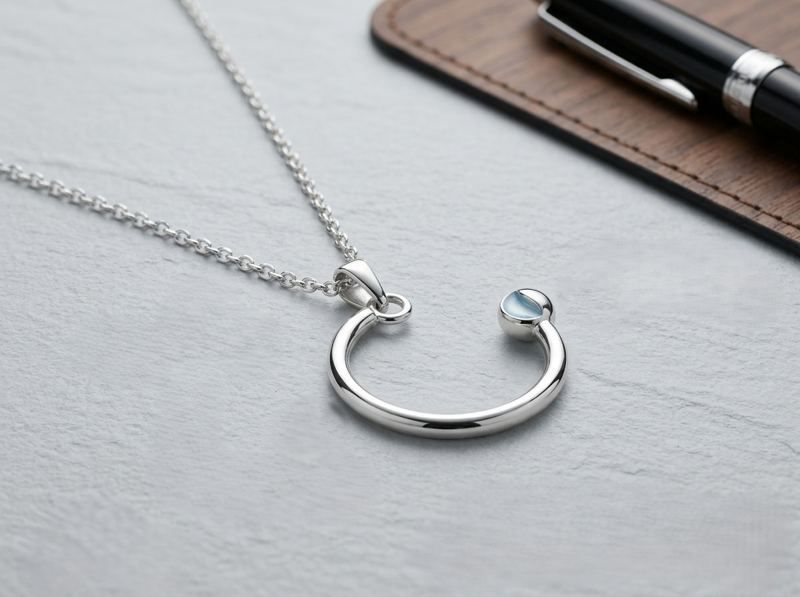
Why Argentium suits this specific technique
Argentium replaces the copper in sterling with germanium. Germanium hardens the alloy as copper does, but at the surface it behaves differently. It migrates outward and forms a thin, clear, self-repairing layer that resists the reaction sterling suffers from. The protection is part of the metal, not a coating on top of it.
Three things follow, and the first one is specific to this trade.
It fuses
Argentium International lists welding and fusing among the alloy's defining properties, and says it is what lends the silver to modern technologies. Fusing means the metal joins to itself under heat with no solder and no filler. That is the same principle a pulse welder uses when it closes a chain on a wrist.
Most alloys tolerate welding. Argentium is built around it.
It needs no plating
Nothing on the surface to wear through. Compare that to a PVD or gold plated chain worn continuously for two years against skin, cuffs and car doors. When plating fails on a permanent piece the customer cannot take it off, and you cannot replate it on the wrist.
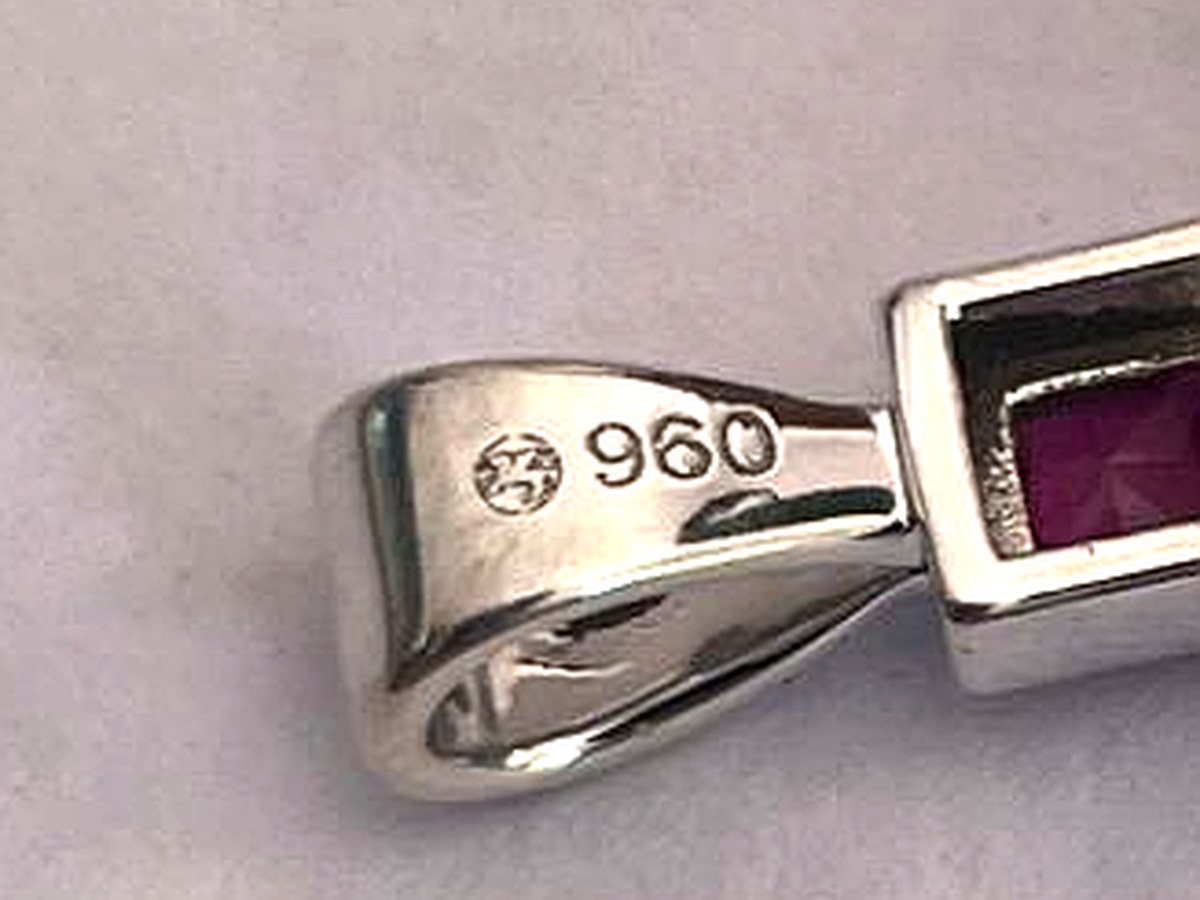
It is 96 per cent fine at the 960 grade
Above the Britannia standard, and whiter than sterling because there is no copper warming the colour. A studio selling a premium experience gets a metal that reads as premium next to a customer's skin.
The skin question
Permanent jewellery makes skin sensitivity a bigger issue than it is anywhere else in jewellery, for an obvious reason. The piece sits on one patch of skin continuously, for months or years, and the customer cannot remove it if something starts.
Nickel allergy affects roughly 8 to 19 per cent of European adults and is four to ten times more common in women, which is most of this market. Sterling itself contains no nickel, but plated chain very often has a nickel underlayer, and when the plating wears through that is what reaches the skin.
Argentium contains no nickel and is unplated. There is no second metal underneath because there is no coating.
What it costs
Argentium costs more per gram than sterling. It is 96 per cent silver rather than 92.5, and the alloy is licensed from the company that owns the patent. In Western markets the premium on Argentium jewellery generally runs 10 to 25 per cent.
On permanent jewellery that number is smaller than it sounds, because the product is a short length of fine chain. The metal difference on one bracelet is measured in a few dollars, not tens.
| What changes | Effect on the studio |
|---|---|
| Higher chain cost | A few dollars per bracelet, on a piece retailing at 58 to 128 dollars |
| Tarnish conversations | Largely gone |
| Goodwill replacements | Fewer |
| What you can charge | A metal the studio down the road does not stock |
| What you can say | 96 per cent silver, unplated, nickel free, Winged Unicorn stamped |
We wrote the full arithmetic of Argentium pricing here, including why the premium is larger in India than in Europe.
The weld test you should insist on
Chain for permanent jewellery should be weld tested on the machine you actually use, whether that is a Sunstone Zapp, a Zapp Plus or an Orion mPulse. Fusing behaviour is a property of the alloy, but link geometry, gauge and construction all affect how a specific chain closes under a specific machine.
How to trial it properly.
- Ask for short test lengths in two or three gauges, not a spool.
- Weld them on your own machine at your normal settings.
- Check the join under magnification, then pull test it.
- Wear one yourself for a month. That is the only honest tarnish test.
- Then buy the spool.
Any supplier who will not send test lengths before a spool order is asking you to find out in front of a customer.
What we will not claim
Argentium is not tarnish proof. It is highly tarnish resistant, up to seven times more than sterling, and its resistance improves with age. No silver alloy is tarnish proof. If a supplier tells you otherwise, they have handed you a promise you will end up defending to a customer who cannot take the bracelet off.
Weld performance has to be tested on your machine. We will send test lengths. We will not tell you it welds perfectly on a machine we have not tried.
It costs more than sterling. Whether that is worth it depends on how many tarnish conversations you are having, which only you know.
The short version
Permanent jewellery is the one product where silver is worn continuously, never cleaned and never removed. The trade offers sterling for it anyway, and then writes guides on how to explain the tarnish.
Argentium fixes it at the alloy rather than at the customer service desk. It fuses, which is the technique. It carries no plating, so nothing wears through on a piece that cannot be taken off. It has no nickel. And it is purer and whiter than what you are welding now.
We make in Argentium 960 only, on a line that has never run sterling, as an Argentium Silver Trademark Registered User, number AS2475. If you run a studio and want to try it, ask us for test lengths in the gauges you use and weld them yourself before you commit to anything.