
The short answer.
- Premium silver jewellery now means silver that does not need plating. That is the line between sterling and the tier above it.
- The move to Argentium is being led by independent and designer brands in the US and UK, not by the biggest mass-market names. Yet.
- Three things are driving it: customers who will not polish, nickel allergy in 8 to 19 per cent of European adults, and buyers who ask where the metal came from.
- Argentium 960 is 96 per cent fine silver, needs no rhodium, is nickel free and is 100 per cent recycled.
- The hard part of switching is not the metal. It is finding a maker who runs Argentium on its own line.
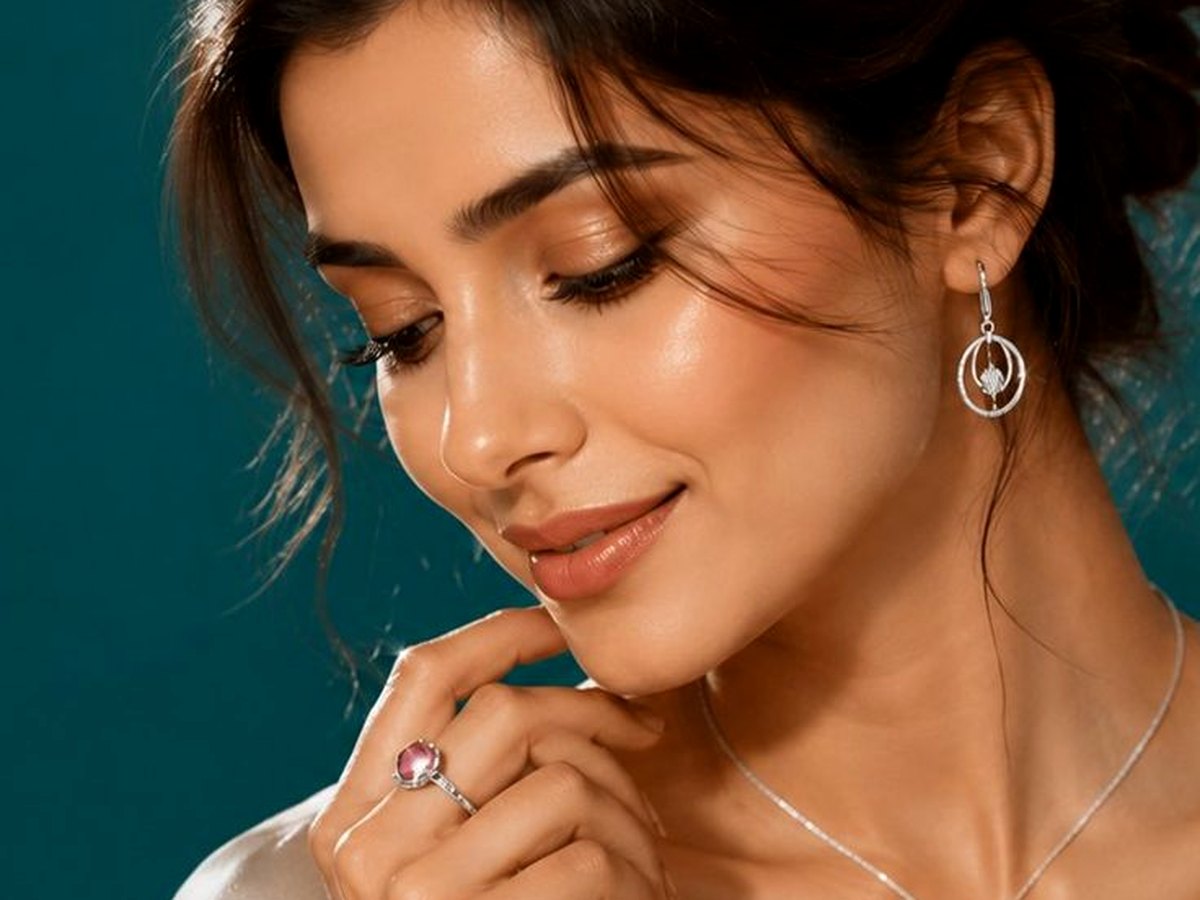
For about a hundred years, silver jewellery meant sterling. 92.5 per cent silver, 7.5 per cent copper, and a coat of rhodium on top to hide the fact that it goes grey. Nobody questioned it because there was nothing else.
That is changing, and it is changing from the bottom up. This article is about who is actually making the move, what is pushing them, and what a brand needs to know before doing the same.
In this guide
What premium silver actually means now
Ask a customer what makes silver jewellery feel expensive and they will talk about weight, finish and design. Ask a jeweller and the answer is simpler. Premium silver is silver that does not need a coating.
Sterling needs one. The copper in it reacts with air and turns the surface dark, so the trade plates it in rhodium. Rhodium is a platinum group metal, it is applied in a chemical bath a few microns thick, and it wears off. Every plated sterling piece is a silver object with a temporary white coat on it.
Argentium does not need the coat. It replaces the copper with germanium, which forms a clear protective layer that is part of the metal itself. The 960 grade is 96 per cent fine silver, above the Britannia standard, and it is whiter than sterling because there is no copper to warm the colour.
| What the customer sees | Plated sterling | Argentium 960 |
|---|---|---|
| Colour | White, from the rhodium | White, from the silver |
| After one year of daily wear | Plating worn at the edges, grey underneath | Same as day one |
| Purity stamp | 925 | 960 and the Winged Unicorn |
| Sensitive skin | Depends on whether the plating has worn through | Nickel free throughout |
| Upkeep | Replate every 1 to 3 years | A soft cloth |
That last row is the whole premium argument in one line. A customer who pays more for a piece expects it to look the same next year. Sterling cannot promise that. Argentium can.
The three things customers are asking for
Brands do not switch metals because a supplier asked them to. They switch because customers started asking for things sterling cannot give. In the US and Europe, three requests come up again and again.
1. Jewellery they do not have to look after
The generation buying everyday silver now grew up with phones that do not need instructions and clothes that do not need ironing. They do not want to polish jewellery, and they will not send a ring away for replating. A piece that goes grey in a drawer is, to them, a broken piece.
This is why so many brands now sell on words like "tarnish resistant", "waterproof" and "wear it in the shower". Most of them are doing it with plated brass or stainless steel, because that is what they can source. Argentium lets a brand say the same things about real silver.
2. Jewellery that does not cause a reaction
Covered in the next section, because the numbers deserve their own space.
3. Jewellery they can ask questions about
A growing share of buyers ask where the metal came from and what was done to it. Rhodium is mined as a by-product of platinum, mostly in South Africa, at 10 to 40 tonnes of ore per ounce. Recycled silver with no plating is a much easier conversation. We wrote the full version of that conversation here.
The nickel number nobody in jewellery talks about
Nickel allergy is the most common contact allergy in the world. In Europe, clinical reviews put it at 8 to 19 per cent of adults, and it is four to ten times more common in women than in men. A recent meta-analysis across Europe, North America and China found 11.4 per cent of the general population sensitised.
with nickel allergy
in women
fashion jewellery sales
in Portugal
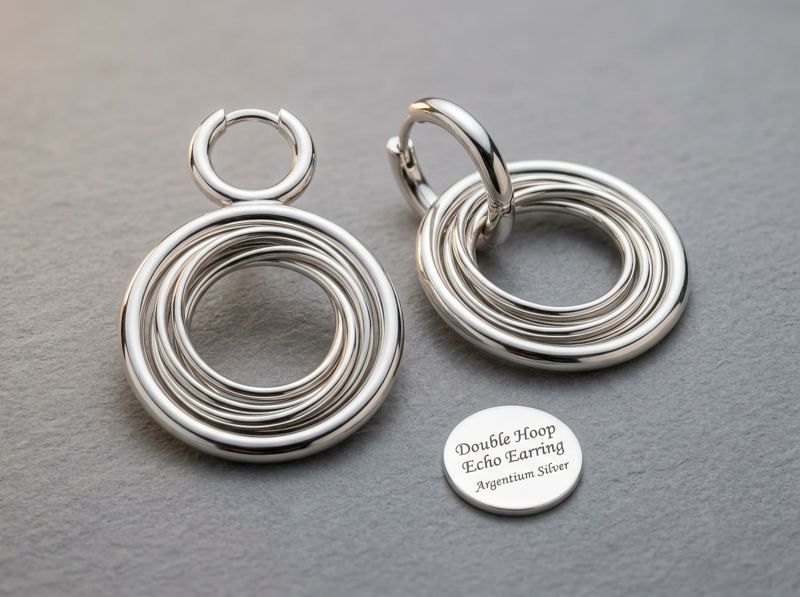
Two things make this a jewellery problem specifically. First, jewellery is the main cause. Pierced ears are the most common route to sensitisation, and once a person is sensitised it is lifelong. Second, the market is earrings. They are 34.6 per cent of European fashion jewellery sales, the single largest category, and they sit in pierced skin for hours at a time.
The EU regulated nickel release in 1994, and the rule is now part of REACH. It has helped, but a Spanish study still found nearly a quarter of tested earrings released nickel above the legal limit, and prevalence in southern Europe remains high: 18.5 per cent in Portugal, 16.4 per cent in Italy, 15.8 per cent in the Netherlands, 13.9 per cent in Germany.
So a brand selling earrings to European women is selling to a market where roughly one customer in six may react to nickel. Sterling itself contains no nickel, but its rhodium plating is usually applied over a nickel underlayer, and when that plating wears through the nickel is what touches the ear. Argentium is nickel free, unplated, and stays that way.
That is not a marketing angle. It is a reason a customer returns a piece, and a reason she does not come back.
Who has actually switched
Here are brands that state on their own websites that they work in Argentium. Every one of these can be checked in a minute.
| Brand | Where | What they say |
|---|---|---|
| Skolland Jewelry | Wisconsin, US | "Premium Argentium sterling silver, brighter, harder, and more tarnish resistant." Hand-forged, sold on hypoallergenic properties |
| MONOLISA | California, US | Designer Lisa Ramos uses Argentium for its "bright white appearance, durability, tarnish resistance, and comfortable feel when worn daily" |
| Sloane Jewelry Design | Indianapolis, US | 100 per cent recycled Argentium, marketed as safe for metal allergies |
| Raven Metalworks | US | "A luxurious, low-maintenance alternative to conventional silver jewelry" |
| Mocahete | US | "Superior tarnish resistance, enhanced durability, and a radiant, brighter finish" |
| Pave Fine Jewelry | Oakland, California, US | A physical fine jewellery store carrying an Argentium collection alongside gold |
| Sterling and Steel | US | Whole line hand-forged in Argentium and stainless |
| Argentium Collections | United Kingdom | "Luxury silver designed for modern life." The entire brand is Argentium |
| Willow and Stag | United Kingdom | Offers Argentium as a paid upgrade on earrings |
| Natalie Vernazza | United Kingdom | Argentium 940 collection, 100 per cent recycled |
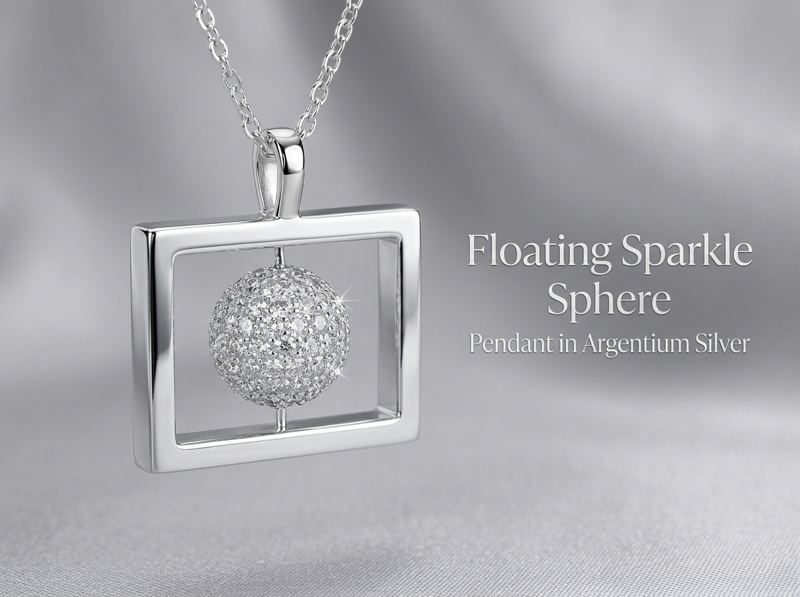
Behind them sit the suppliers. Rio Grande, Stuller and Hoover and Strong in the US, and Cooksongold in the UK, all stock Argentium metal. A supplier does not carry an alloy that nobody buys.
Notice what these brands have in common. They are design-led. They sell on quality rather than volume. And they sell directly to customers who read the product page. Those are the businesses where a better metal shows up in reviews and repeat purchases within a year.
Who has not, and why
Being straight about this. The largest mass-market silver brands have not moved their core ranges to Argentium as of 2026. Sterling still sells in volume, plating is cheap, and the returns problem is absorbed as a cost of doing business.
Anyone who tells you the biggest names have already switched is selling you something. The shift is real, and it is being led by smaller brands, which is how every material shift in jewellery has started.
There are three honest reasons a large brand stays on sterling. It costs more per gram, and at high volume that adds up. Existing factories are set up for sterling and would need a separate line for Argentium. And the tarnish problem is hidden from the brand by the time it appears, because it shows up in the customer's drawer, not on the shelf.
Every one of those reasons gets weaker as customers learn to ask for unplated silver. The premium end of the market is where they are asking first.
What switching costs
In the US and Europe, Argentium jewellery is generally quoted at 10 to 25 per cent more than sterling. In India it is more, because the alloy is imported and pays duty on its full value. The full cost breakdown is here.
Against that, a brand removes several things it was paying for:
| Removed | What it was costing |
|---|---|
| Rhodium plating | A process step, a chemical bath, and a platinum group metal on every piece |
| Replating | A service cost every one to three years, usually absorbed by the brand |
| Firescale removal | Acid stripping and heavy polishing after every soldering step |
| Tarnish returns | Refunds and replacements for pieces that "went black" |
| Product photos that stop matching | The listing shows day one. The customer received month eight |
Whether the switch pays depends on how many of those a brand is currently absorbing. A brand with low returns and cheap plating may find sterling still works. A brand selling earrings to European women with a promise of quality is probably already paying for Argentium and not getting it.
How brands get it wrong
The most common mistake is not choosing the wrong metal. It is choosing the right metal from the wrong factory.
Argentium has to be made on its own line. It needs its own crucibles, its own solders, its own scrap stream, and it cannot share polishing wheels or soldering boards with sterling. Contamination from copper or sterling destroys the tarnish resistance a brand is paying for. Cooksongold, the largest Argentium stockist in Europe, says it plainly: it requires complete commitment, and shared tools reduce its effectiveness.
So a sterling factory that offers Argentium as a side line has two choices. Build a second workshop, or quietly ship pieces that will tarnish like sterling while carrying the Argentium name. Most brands that have been disappointed by Argentium were not disappointed by the alloy. They were disappointed by a supplier who ran it beside sterling.
The one question to ask a supplier.
Not "do you make Argentium". Ask: "How do you store your Argentium scrap?" A house that runs it properly has an answer in ten seconds. A house that runs it as a side line does not.
How to switch a range
Most brands that have done this well followed roughly the same path.
| Step | What it looks like |
|---|---|
| Start with earrings | The category where nickel and tarnish complaints are highest, so the improvement shows fastest |
| Reproduce existing designs | An existing CAD or a sterling sample can be remade in Argentium 960. The design rarely needs to change |
| Drop the plating step | Nothing replaces it. The white colour is now the metal |
| Reword the claim | "Highly tarnish resistant, nickel free, unplated, 96 per cent silver." Never "tarnish proof" |
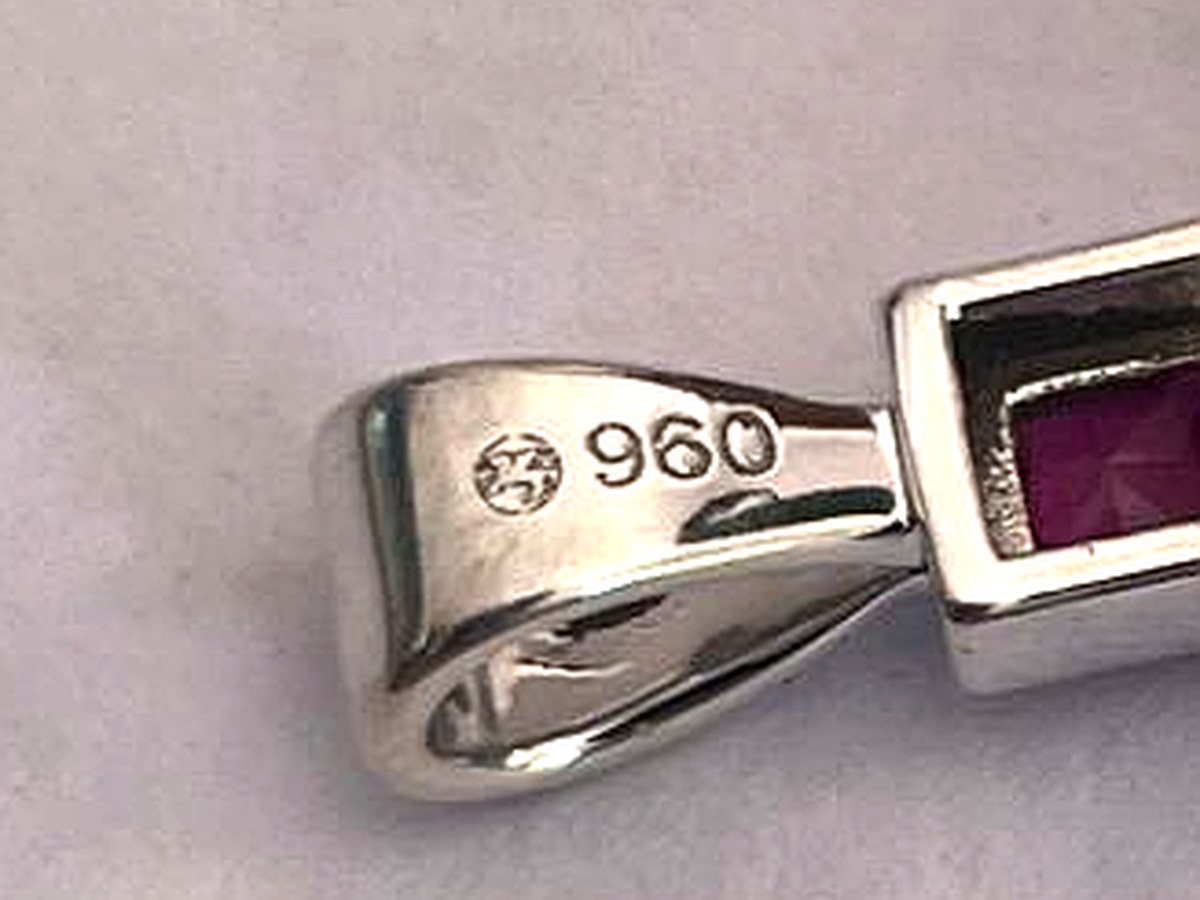
| Show the stamp | The 960 and the Winged Unicorn on the piece, and on the product page |
| Run both for one season | Then compare returns. The numbers usually make the decision |
One thing to get right from the start is the claim. Argentium is highly tarnish resistant. It is not tarnish proof, and no silver is. A brand that writes "never tarnishes" on a product page has made a promise it will eventually have to defend to a customer. The honest claim is strong enough.
The short version
Premium silver now means unplated silver. Argentium is the alloy that makes that possible, and the brands moving to it are the ones whose customers read the label: independent and designer brands in the US and UK, selling on quality, with a supplier base that already stocks the metal.
The large brands will follow when the returns numbers force them to. Until then, the tier above sterling is open, and it is mostly empty.
Argentia is an Argentium Silver Trademark Registered User, registration number AS2475, licensed by Argentium International Limited, London. We make in Argentium 960 only, on a line that has never run sterling. If you are thinking about moving a range, send us an existing design and we will quote it in Argentium so you can compare the two properly.