
The short answer.
- Under EU and UK REACH, jewellery limits are 0.05% lead and 0.01% cadmium by weight, and nickel release of 0.5 µg/cm²/week for parts in contact with skin.
- In the UK, silver articles over 7.78 grams must be hallmarked by a UK Assay Office before they can be sold as silver.
- In the US, a fineness stamp is not compulsory, but California Proposition 65 and the FTC Jewelry Guides apply.
- Ask for independent lab reports on your actual models, not a supplier declaration.
In this guide
If you import silver jewellery into Europe, the UK or the US, regulators look at you first, wherever the workshop is. This guide sets out the limits that apply, what documents to ask for, and where an unplated alloy like Argentium 960 makes the job simpler. It is not legal advice. Check the current rules for your market with a testing lab or adviser before you sell.
Why this matters more in 2026
Heavy metals in jewellery have become an enforcement focus. A law firm alert noted that in December 2025 and early January 2026 there were a number of safety reports in the EU and UK related to jewellery with excess levels of heavy metals, in particular cadmium, nickel and lead.
For a brand that already sells, one recall costs more than years of testing. Most of the fix is paperwork done before production.
EU and UK: REACH and GPSR
| Substance | Limit in jewellery (EU and UK REACH) |
|---|---|
| Lead | 0.05% by weight |
| Cadmium | 0.01% by weight |
| Nickel | Release of 0.5 µg/cm²/week for parts in direct, prolonged skin contact |
These limits are set out in the same Squire Patton Boggs alert for both EU and UK REACH. Sterling silver is not exempt. Sellers on Amazon Europe have been told that jewellery containing sterling silver should be REACH tested for cadmium.
On top of REACH, the General Product Safety Regulation applies. The UK Assay Office explains that if you sell or import jewellery into the EU or Northern Ireland, GPSR applies to you, and products must be tested to show they are free from harmful levels of nickel, lead and cadmium.
One practical point from a sourcing adviser: require third-party REACH test reports from independent labs like SGS, BV or Intertek, and verify that they match the tested model. A supplier's own declaration of conformity is not enough.
UK hallmarking
In the UK, anything sold as silver must be hallmarked by a UK Assay Office if it weighs more than the exemption weight. For silver that weight is 7.78 grams. Selling an unhallmarked silver item above that weight as silver is an offence under the Hallmarking Act 1973.
The UK silver standards are 800, 925, 958 (Britannia) and 999. A heavier chain, bangle or signet ring will usually cross 7.78 grams, so plan the hallmarking step and its cost into your landed price. The other UK fact worth knowing: jewellery from India now enters the UK at 0% customs duty under CETA, with VAT at 20%.
United States
The US does not require a fineness stamp on silver. Compliance Gate notes that in the US it is not compulsory to affix a quality mark such as .925 on gold or silver. Three things still apply.
- California Proposition 65. It restricts heavy metals such as lead in jewellery sold into California, and it has driven a lot of litigation in the trade.
- Children's jewellery. CPSIA sets lead and cadmium limits for pieces aimed at children 12 and under. We cover it in our guide to children's jewellery.
- The FTC Jewelry Guides. They govern how you describe metal and stones. The plain word diamond means a natural, mined stone. A lab-grown diamond needs a qualifier such as laboratory-grown, laboratory-created or [manufacturer name]-created.
What to ask your supplier for
- The exact alloy and grade of the metal, in writing.
- Whether any part is plated or coated, and with what. Coatings are tested separately and fail more often than solid metal.
- Independent lab reports for lead, cadmium and nickel release on your models, or agreement to send production samples to the lab you choose.
- The metal stamp used, and for UK sales above 7.78 grams, who handles hallmarking.
- For stones, a written description that follows FTC wording: natural, laboratory-grown, or simulant.
- Compliance written into the purchase order, with what happens if a batch fails.
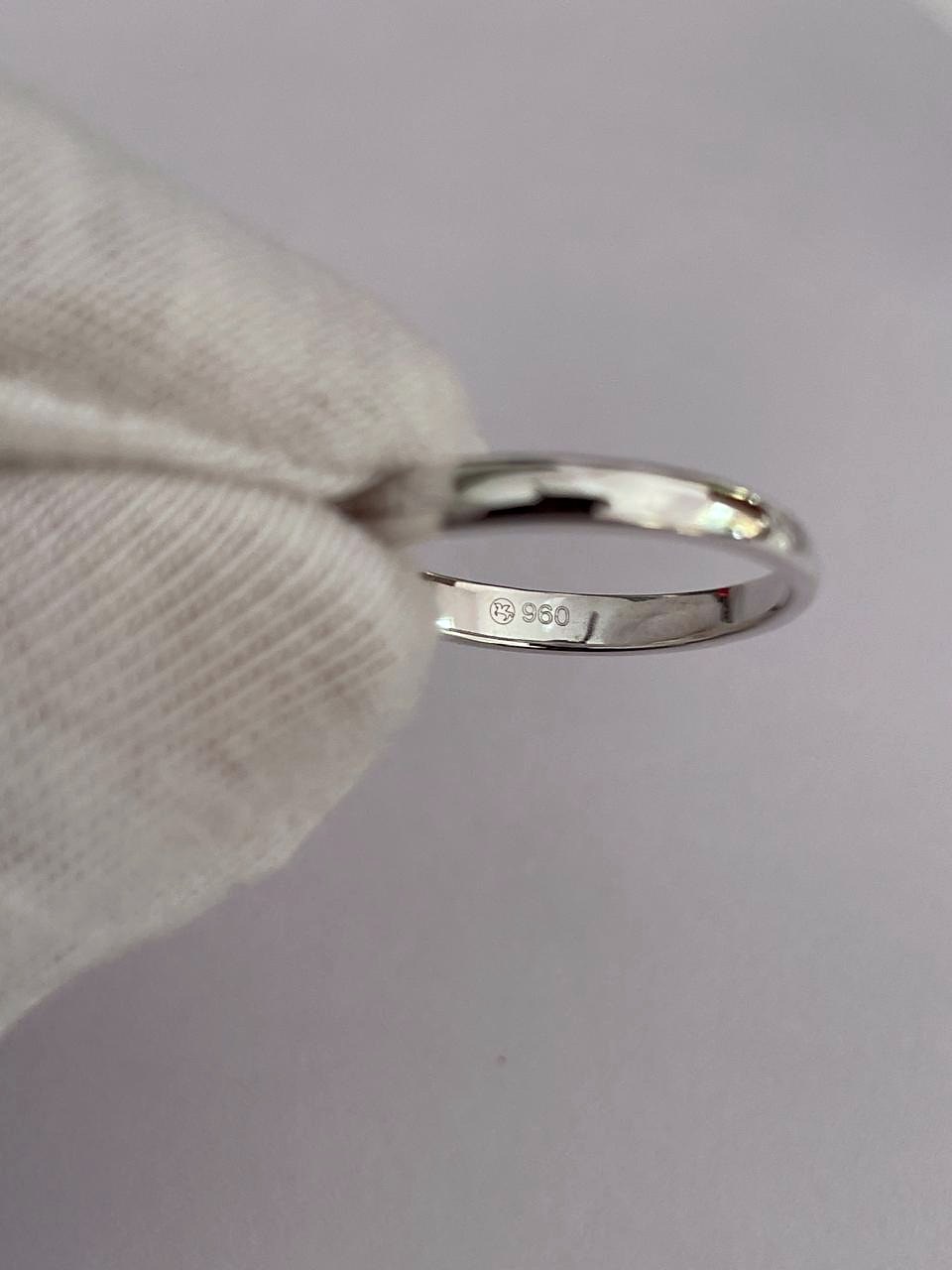
Where Argentium 960 fits
Argentium 960 does not replace testing. It does remove two of the usual failure points.
- No nickel in the alloy. Argentium is nickel free, which is the substance behind most skin complaints.
- No plating. It needs no rhodium, so there is no coating layer to test, wear through or fail.
- 96% silver. That is above the 95.8% Britannia standard, so it sits within the UK's 958 hallmark standard.
- Every piece stamped. We stamp the Winged Unicorn and 960 on every piece as Argentium Registered User AS2475.
For the wider checks on a new manufacturer, see choosing a jewellery manufacturer when you already sell. If you sell into the EU, UK or US, tell us your markets with the first enquiry. We will agree in writing which documents come with the order and which samples go to your lab before production.
Questions buyers ask
What are the EU limits for lead, cadmium and nickel in jewellery?
Under EU and UK REACH, jewellery may contain no more than 0.05% lead and 0.01% cadmium by weight, and parts in prolonged skin contact may release no more than 0.5 micrograms of nickel per square centimetre per week.
Does sterling silver jewellery need REACH testing?
Yes. Sterling silver is not exempt. Importers into the EU and UK should hold independent lab reports for cadmium, lead and nickel release that match the actual models sold.
Does silver jewellery need a hallmark in the UK?
Yes, if it weighs more than 7.78 grams and is described as silver. It must be hallmarked by a UK Assay Office. Lighter pieces are exempt but can be hallmarked voluntarily.
Does silver jewellery need a .925 stamp in the US?
No. A fineness stamp is not compulsory in the US. If you do stamp it, the stamp must be accurate, and the FTC Jewelry Guides govern how metals and stones are described.
Is Argentium silver nickel free?
Yes. Argentium 960 is nickel free and needs no rhodium plating, which removes the two most common causes of failed nickel tests and skin complaints in silver jewellery. It still needs testing for your market.
Sources
- Squire Patton Boggs: Safety alert, heavy metals in jewellery
- The Assay Office: GPSR and what it means for you
- CMGM: Sourcing jewellery from China, heavy metals and EU recalls
- Amazon Seller Forums: REACH testing for jewellery sellers
- GOV.UK: Hallmarking requirements and the EU
- Compliance Gate: Jewelry regulations in the United States
- JCK: How to talk correctly about lab-grown diamonds
Checked on 16 November 2026. Rules and prices change, so confirm anything you rely on with the source.
Made in our Jaipur workshop
Two pieces, filmed from drawing to finish
The making of one chain · 31 seconds
99.35 carats of moissanite in one chain
Stones graded by GRA, every link drawn in CAD, cast in Argentium 960 and set in our Jaipur workshop. 18 inches, 31.53 g of silver.
See the chainThe making of one ring · 45 seconds
From a photo and CAD to the finished ring
One client sent a photo and his own blue sapphire. We drew the ring in CAD, cast it, polished it and set his stone, and filmed every stage.
Read the full storyFor importers in the EU, UK and US
India’s first house of Argentium silver
Argentium 960 only, Winged Unicorn stamped, Registered User AS2475. Natural diamonds, lab-grown diamonds, moissanite and Jaipur gemstones. Wholesale and private label from 100 g across any mix of designs.
Ask about documentsor email toshit@argentia.in