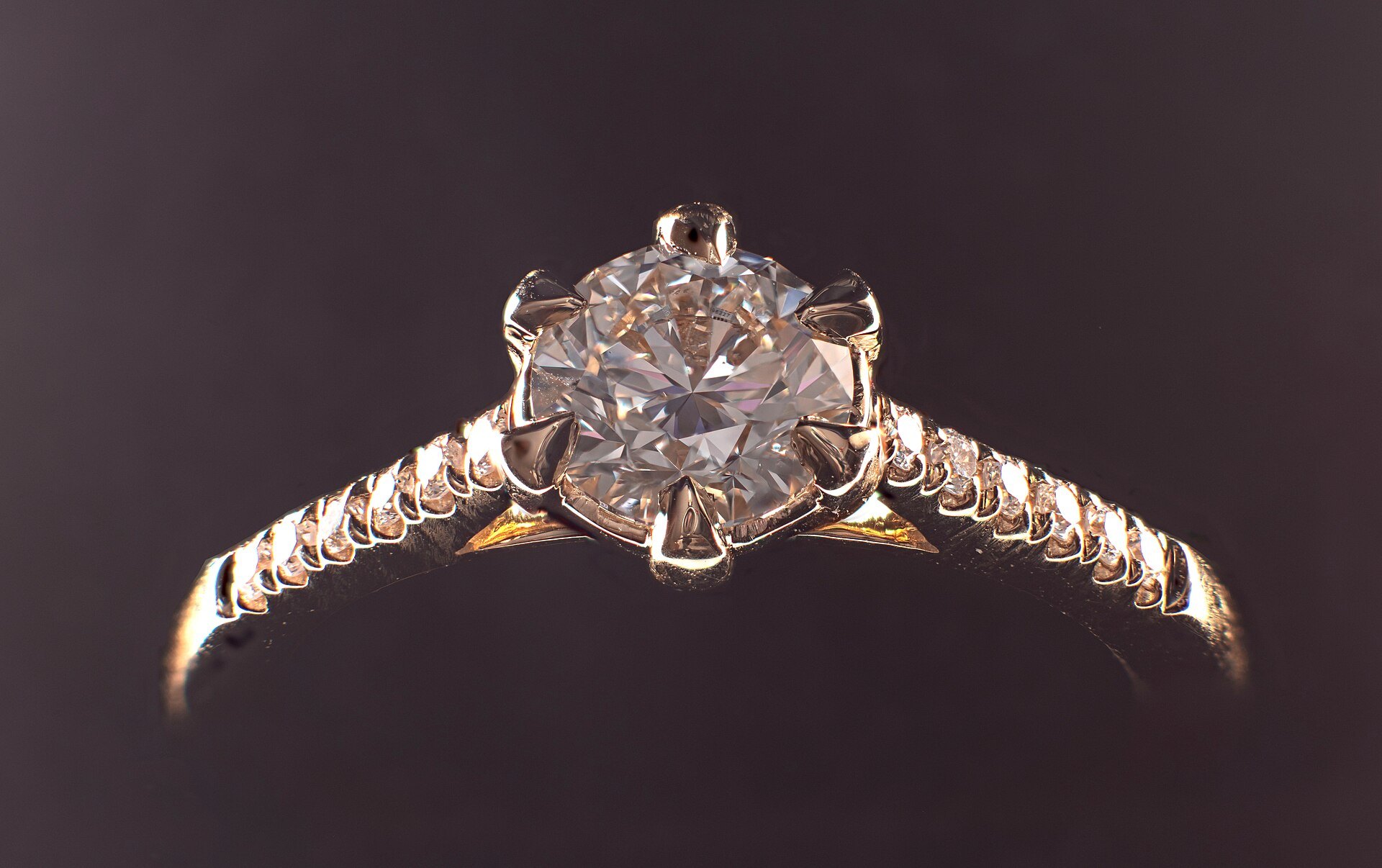
Short version: lab grown diamonds are real diamonds, 10 on the Mohs scale, and they have become affordable enough to put into everyday pieces. Gold has not. That pushed the middle of the market into silver, and the piece only works if the silver keeps its colour. Argentium 960 is 96 per cent fine silver, needs no plating, and can be hardened so the prongs hold the stone.
Why this pairing, and why now
Two things happened at the same time.
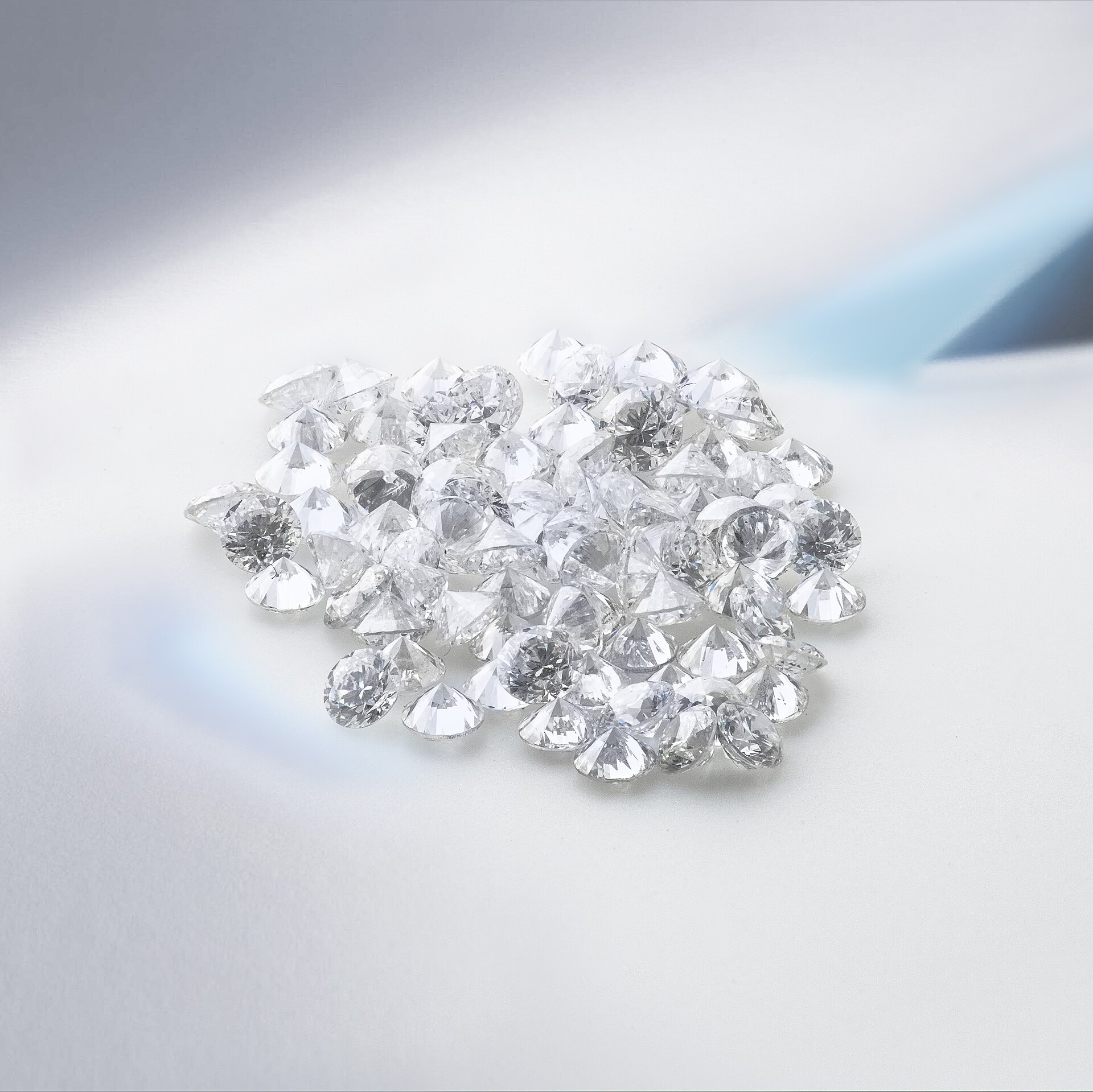
Lab grown diamonds got cheap enough to wear every day. Capacity grew, prices fell, and a stone that used to go into one ring for one occasion started turning up in earrings and bracelets people wear to work.
Gold priced itself out of the middle. Gold rose about 60 per cent over the year to late 2025 and went past $5,100 an ounce in January 2026. Retailers describe the same thing across the US: the entry level shelf moved up and the customer who used to buy a small gold piece stopped finding anything they could afford. We went through that in detail in what actually happened to US jewelry prices.
So you have a buyer who wants a real diamond and will not pay gold prices for the metal around it. Silver fills that gap, as long as the silver holds up.
The old objection to diamonds in silver
The trade used to treat a diamond in silver as a mismatch, and there was a good reason. Sterling has copper in it, copper tarnishes, and the usual fix is rhodium plating. The plating wears through at the shank and the prong tips, the piece goes patchy, and a real diamond ends up sitting in something that looks tired.
But that is an objection to sterling, not to silver.
What Argentium changes
| Problem with sterling | What Argentium 960 does |
|---|---|
| Plated to look white, and plating wears | 96 per cent fine silver, white on its own, no plating at all |
| Copper tarnishes to black copper sulphide | Germanium forms a protective layer instead, so it resists tarnish |
| Soft prongs ease open under a hard stone | Heat hardens after casting, before setting, so prongs hold |
| Nickel in findings causes reactions | No nickel in the alloy |
| Firestain under the surface | No firestain, so the white goes all the way through |
What that adds up to is a metal that ages at about the same rate as the stone. Which is the whole point of putting a real diamond in it.
What is selling
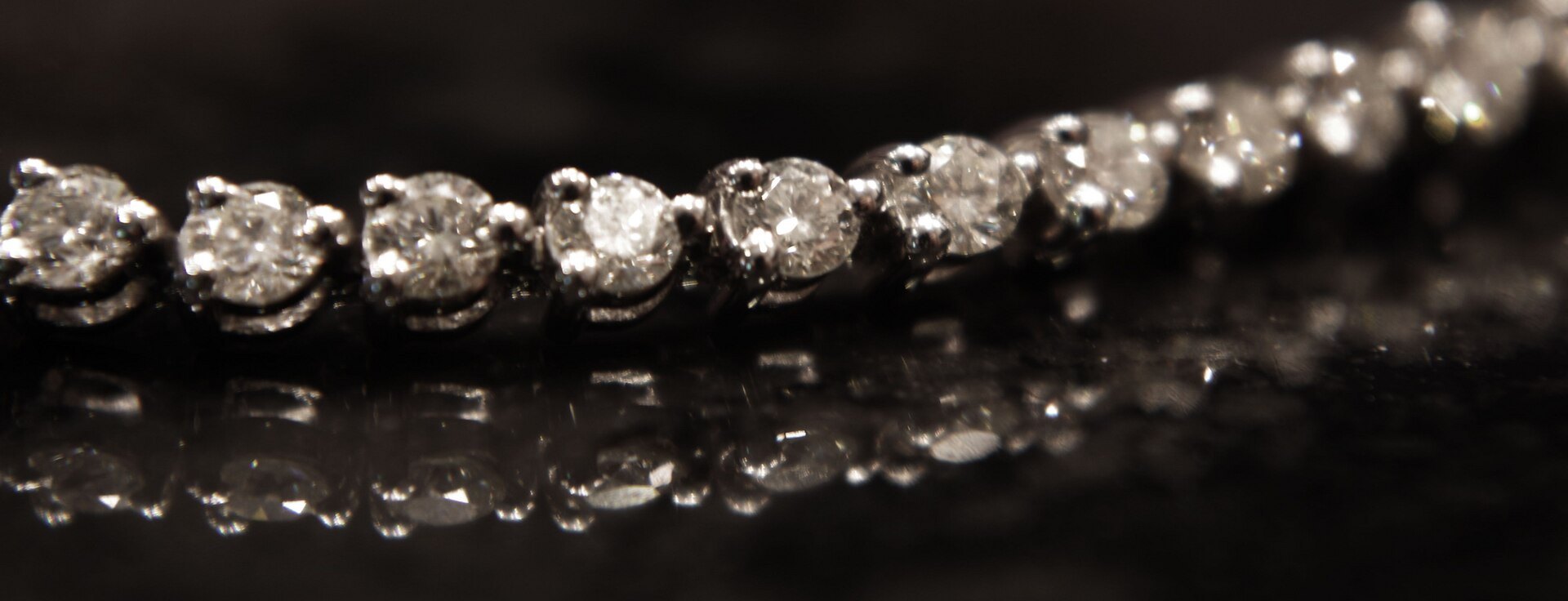
Tennis bracelets have been the breakout category, and it makes sense. The design needs a lot of matched stones, which is exactly where grown stones beat mined ones on both price and consistency.
Everyday earrings, studs and small hoops, worn daily rather than kept for occasions.
Solitaire pendants, where buyers are choosing a bigger centre stone than they would have with mined diamonds.
The pattern across all three is the same. Bigger stones, simpler settings, worn constantly. And a simple setting puts all the weight on the metal, because there is nothing else to look at.
The honest part
Lab grown diamonds do not hold their value. Prices have fallen as capacity grew, and resale is poor. Mined stones do better, though a seller still loses a lot against retail either way. Anyone selling lab grown as an investment is setting up a customer to find out the hard way.
Say what the stone is. Buyers now expect the report, the growth method if they ask for it, and plain language about what they are getting. The brands doing well are the ones that explain, not the ones that say "ethical luxury" and leave it there.
Silver is not a luxury metal by itself. It gets there through the alloy, the finish and the setting. A certified stone in a badly finished mount is still a badly finished piece.
Before you order a range
- Ask for the laboratory report, IGI or GIA, and check it states the stone is laboratory grown.
- Ask what the metal actually is and whether it is plated.
- Ask whether mounts are hardened before setting.
- For tennis bracelets, ask about stone matching tolerance across the row.
- Check the findings, clasps and posts are the same metal, not plated base.
- Ask who else the design will be sold to.
Frequently asked questions
Are lab grown diamonds real diamonds?
Yes. They are carbon in the same crystal structure as mined diamonds, 10 on the Mohs scale, and they test as diamond. They are not moissanite, cubic zirconia or simulants. They are grown either by chemical vapour deposition or by high pressure high temperature, and for most buyers the growth method matters far less than the cut, colour, clarity and certification.
Can you set lab grown diamonds in silver?
Yes, and it has become one of the fastest moving combinations in the trade. It used to be unusual because a real diamond in silver looked like a mismatch, but that logic came from sterling, which is plated to stay white and tarnishes underneath. Argentium 960 is 96 per cent silver, needs no plating, and can be heat hardened so the prongs hold a stone properly.
Why put a diamond in silver rather than gold?
Price, mainly. Gold rose about 60 per cent over the year to late 2025 and passed $5,100 an ounce in January 2026, which pushed a lot of middle market buyers out of gold entirely. A lab grown diamond in a good silver setting keeps the stone the customer wants at a price they can still pay.
What lab grown diamond pieces are selling?
Tennis bracelets have been the breakout category, with everyday diamond earrings and simple solitaire pendants close behind. The pattern is the same as in the rest of the market: pieces worn daily rather than once a year, and bigger centre stones than buyers would have chosen when the stones were mined.
Do lab grown diamonds hold their value?
No, and any supplier who tells you otherwise is selling. Lab grown prices have fallen steadily as production capacity has grown, and resale value is low. Mined diamonds hold value better, though a seller still loses a large share of retail. Lab grown is a good way to buy beauty and a poor way to store money, and saying so plainly builds more trust with a customer than avoiding the question.
What certification should lab grown diamonds carry?
Ask for a report from a recognised laboratory such as IGI or GIA, and check the report states clearly that the stone is laboratory grown. Buyers in 2026 expect certification details, honest descriptions and clear stone specifications as standard rather than as a premium extra.
Is Argentium silver better than sterling for diamond jewellery?
For a piece that has to keep its finish, yes. Sterling is usually rhodium plated to look white, and the plating wears through, first at the shank and the prong tips. Argentium 960 is white without plating, resists tarnish because germanium forms a protective layer instead of copper sulphide, contains no nickel, and hardens with heat so the prongs stay firm under the stone.
Does a diamond in silver look cheap?
It depends entirely on the silver and the setting. A certified stone in a hardened, unplated, well finished mount reads as a considered choice. The same stone in thin plated sterling with light prongs reads as a compromise, and the customer can tell the difference within a year of wear.
Making a moissanite or diamond range?
We set certified moissanite, lab grown diamonds and natural diamonds into Argentium 960 in our own workshop in Jaipur. Your designs or ours, wholesale and private label, stamped with the Winged Unicorn. Send a photo of what you want made and you get a weight, a price and a lead time.
Sources
- Lab grown diamond jewellery trends for 2026
- Jewellery trends 2026, including tennis bracelets as a breakout category
- Moissanite, mined diamond and lab diamond compared, including resale value
- CNBC on the gold price and jewellery companies
General information for the trade, not valuation or investment advice. Stone prices and market shares move quickly.